19 ஆம் நூற்றாண்டின் பிற்பகுதியில் நாடக உள்ளடக்கத்தில் ஒரு மாற்றம் ஏற்பட்டது. புராணக் கதைகளையும் பழங்கதைகளையும் விட்டுத் தற்காலக் கதையொன்றை நாடகமாக்கும் முயற்சி தோன்றியது.
காசி விசுவநாத முதலியார்: காசி விசுவநாத முதலியார் (1872) முதன்முதலில் தம் காலச் சமூக நிகழ்வை நாடகமாக்கினார். டம்பாச்சாரி என்ற இசை நாடகமாகவே அது படைக்கப்பட்டது. அங்கம், களம் என்ற பகுப்புகளின்றி ஒரே மூச்சாகக் கதை சொல்லப்பட்டது. அக்கால மரபுப்படி கட்டியங்காரன் கதை நிகழ்த்துவது போலவும் அமைக்கப்பட்டது. .
காசி விசுவநாதன், அரசு அதிகாரியாக இருந்தவர்
ராமசாமி ராஜு
இதே கதையமைப்பில் ராமசாமி ராஜு என்பவர் ‘பிரதாப சந்திர விலாசம்’ என்ற நாடகத்தை எழுதினார். ஆனால் காட்சி, அங்கம் என்ற பகுப்புடன் நாடகம் எழுதப்பட்டது. முதல் காட்சியில் மட்டும் கட்டியங்காரன் வருவான். டம்பாச்சாரி விலாசம் போல இசை நாடகமாக இல்லாமல் இசையும் வசனமும் கலந்து இந்நாடகம் படைக்கப்பட்டது. இதில் நாடகப் பாத்திரங்கள், தெலுங்கர்களானால் தெலுங்கிலும் வடநாட்டவரானால் உருதுவிலும் மற்றவர் அவரவர் படிப்பு சாதி சமூகப்படிநிலை இவற்றிற்கேற்பப் பேசும் வேறுபட்ட பாணிகளில் வசனம் எழுதப்பட்டிருக்கிறது.
இசை நாடக மரபின் இறுதியாக டம்பாச்சாரி விலாசத்தையும், வசன நாடகங்களின் தொடக்கமாகப் பிரதாப சந்திர விலாசத்தையும் கொள்ள வேண்டும். . ராமசாமி ராஜு பாரிஸ்டராக இருந்தவர். .
பார்சி நாடகத்தாக்கம்
1870 இல் தமிழகத்திற்கு வந்த பார்சி நாடகக்குழு ஏற்படுத்திய மாற்றமும் குறிப்பிடத்தக்கது. மேடை நாடக மரபில் இது மாற்றத்தை ஏற்படுத்தியது. பார்சி இனத்தைச் சார்ந்த வணிகர்கள், ஆங்கில நாடக அரங்கிலிருந்து பெற்ற தொழில் நுட்பத்தைப் பயன்படுத்தி ஆங்கிலேயருக்காகவும் மத்தியதர வர்க்கத்துப் படித்த இந்தியர்களுக்காகவும் நாடகங்களை நடத்தினர். பம்மலாரின் வழிகாட்டி என்று சொல்லப்படும் தஞ்சை கோவிந்தசாமி ராவ், அரசு வேலையை உதறிவிட்டுப் பார்சி நாடக, பாணியில் நாடகங்களை நடத்தத் தொடங்கினார். இதைத் தொடர்ந்து ‘சுகுன விலாச சபை’ போன்ற பயில்முறை நாடகக் குழுக்கள் உருவாயின.
சங்கரதாஸ் சுவாமிகள்
தமிழ் நாடக மரபைப் பின்பற்றியும் கால மாற்றங்களை ஏற்றும் நாடகம் படைத்தவர் சங்கரதாஸ் சுவாமிகள். இசையை முதன்மைப்படுத்திக் கூத்து மரபுகளை உள்வாங்கி இவர் நாடகங்களைப் படைத்தார். பழங்கதைகளில் குறைவான நிகழ்ச்சிகளை எடுத்துக்கொண்டு பாத்திரங்களின் தர்க்கத்திற்கு இடமளித்து இவர் நாடகங்களை ஆக்கினார். சிறுவர்களைக் கொண்ட ‘பாய்ஸ் கம்பெனி’ என்ற பாலர் நாடகக்குழுவை இவர் உருவாக்கியது குறிப்பிடத்தக்கது. இதைத் தொடர்ந்து பல குழுக்கள் உருவாயின.
ஆட்டம், இசை, சிறிதளவு வசனம் என்று இருந்த தெருக்கூத்து நாடகங்களின் தன்மையிலிருந்து ஆட்டத்தின் ஆதிக்கத்தை நீக்கி மேடையில் நடத்தியவர் சங்கரதாஸ் சுவாமிகள். கற்பனைச் சிறப்பும் சந்தநயம் மிக்கதுமான பாடல்களை இவர் படைத்தார். நடிகர்கள் விருப்பம் போல் வசனங்களைப் பேசிவந்த நிலையை மாற்றி வரையறுத்த நாடகப் பிரதிகளை உருவாக்கினார். பழைய இலக்கிய வரிகளையும் வசனத்தில் பயன்படுத்தினார்; நல்ல அறிவுரைகளை வழங்கினார். ஆனாலும் இவரது நாடகங்களிலும் பாடல்களின் ஆதிக்கம் இருந்தது. இவர் பல புராண நாடகங்களையும், வரலாற்று நாடகங்களையும் எழுதியிருக்கிறார்.
 Sankaradas Swamigal was a pioneer in the history of
Tamil drama. Sankardas Swam igal, regarded as the
father of Tamil theatre . He was an actor, a dramatist and a
director. For more than a quarter of a century, his plays ruled the Tamil
stage, unopposed and supreme.Sankaradas Swamigal, Pammal K.Sambandha Mudaliar
and Paridimar Kalaignar are considered as the Trinity of Tamil Drama. These
three playwrights were responsible for reviving Tamil Drama which was on the
decline, and elevating it to great heights.Sankaradas Swamigal was born in
1867, in a small village near Tuticorin in Tamil Nadu. He remained a bachelor
all his life. Sankaradas Swamigal was a pioneer in the history of
Tamil drama. Sankardas Swam igal, regarded as the
father of Tamil theatre . He was an actor, a dramatist and a
director. For more than a quarter of a century, his plays ruled the Tamil
stage, unopposed and supreme.Sankaradas Swamigal, Pammal K.Sambandha Mudaliar
and Paridimar Kalaignar are considered as the Trinity of Tamil Drama. These
three playwrights were responsible for reviving Tamil Drama which was on the
decline, and elevating it to great heights.Sankaradas Swamigal was born in
1867, in a small village near Tuticorin in Tamil Nadu. He remained a bachelor
all his life.
Sankardas
Swamigal then worked for a while as an accountant in a salt factory.
Having already started composing venpas and songs even as a young boy of sixteen,
he found that the job was an impediment in his quest for excellence in
the Tamil language and this led him to quit his job when he was twenty
four years of age. Thus, the seeds were sown for the entry of a man on
the Tamil Stage scene who would be regarded as its first Guru par
excellence, a man to whom many leading stage artistes of the next generation
owed their craft.
Swamigal joined Ramudu Iyer and
Kalyanarama Iyer, troupe a famus company that time as an actor and later also
became an author. He then joined the
drama company of Samy Naidu . A major
disagreement with Samy Naidu. Sankaradas left on a pilgrimage to various
shrines of Lord Muruga and thenceforth came to be known as Sankaradas
Swamigal.
Sankaradas Swamigal made a comeback to
Tamil stage as a writer at the insistence of Manpoondia Pillai his god father. He was soon associated with a
number of drama companies as an author, Having worked with various
troupes across the state and trained numerous artistes such as C.Cunniah,
C.S.Samanna Iyer, Balambal and Kumbakonam Balamani at various times.
Swamigal started his own drama
troupe called the Samarasa Sanmarga
Nataka Sabha in 1910. Around this time, the concept of “Boys
Company” was slowly gaining popularity. A Boys Company typically followed
the Gurukula system, where boys stayed together and learnt under the resident
teachers.
Sankaradas Swamigal wrote fifty plays in all. These
include Tamil translations of Shakespeare’s Cymbeline, Romeo and Juliet and
Julius Ceasar. Although all the plays which he wrote are excellent in their own
way, special mention may be made of ten plays — Sathyavaan Savithri,
Pavazhakkodi Charithram, Valli Thirumanam, Harichandra Mayaana Kaandam, Kovalan
Charithram, Rama Ravana Yuddham, Veera Pandya Katta Bomman, Madurai Veeran,
Chitraangi Vilaasam and Nala Damayanthi.Sankaradas Swamigal will be remebered
not only for the roles that he acted and the plays that he wrote, but also for
the innumerable disciples who thronged him. Some of them later became popular
film stars. When Sankaradas Swamigal entered the field of Tamil drama, it was
synonymous with Street Theatre or Therukkootthu. It was Sankaradas Swamigal who
raised drama to a level of respectability, which it has enjoyed ever since.
Sankaradas Swamigal realised the need for discipline
and order among the players. He streamlined dialogues, introducing humour and
ethical principles wherever he could, so that the spectators would not only be
entertained but also educated. It was during Sankaradas Swamigal’s time, that
separate drama troupes were set up for children. It is noteworthy that the TKS
brothers who later became renowned stage artistes, were first trained as child
actors by Sankaradas Swamigal’
The first Boys Company, Swamigal was involved with was Jagannatha Iyer’s Bala Meena Ranjani
Sangeetha Sabha. The Company had on its rolls several boys who would
go on to become big names in the world of theatre and cinema, such as
Nawab T.S.Rajamanickam, M.R.Radha, S.V.Venkatraman and K.Sarangapani.
Swamigal . However, this association lasted only
for a few years, as Swamigal quit the troupe on account of differences
with Jagannatha Iyer.
In 1918, Swamigal started his own Boys
Company, the Tattva Meenalochani
Vidwat Bala Sabha. தத்துவ மீனloசனி வித்துவ பால சபா . It was here that T.S.Kannuswamy
Pillai, brought his three sons, T.K.Sankaran, T.K.Muthuswamy and
T.K.Shanmugam to put them under the training of Swamigal. In his memoirs
“Enadhu Nataka Vazhkai”, Shanmugam
gives an interesting account of his time at the Tattva Meenalochani
Vidwat Bala Sabha and his experiences with Swamigal. Shanmugam also says that
Swamigal was a stickler for discipline and was against artistes consuming
betel, tobacco, beedis and the like. Anyone found violating the code was
subjected to punishment by Swamigal.
In 1921, Swamigal fell ill caused
paralysis in his right hand and left leg. Despite his ailment, Swamigal
still attended performances and watched them from behind the side screens
sitting on a cane chair. Though he could not speak, his brain was still alert
and memory intact and he could often be seen admonishing actors who had
forgotten their lines using gestures. On the night of 13th of
November 1922, he passed away in Pondicherry, where he had shifted to during
the last few years of his life.
பம்மல் சம்பந்த முதலியார்
பம்மல் சம்பந்த முதலியார் அரங்க அமைப்பிலும் நாடக அமைப்பிலும் நடிப்பு முறையிலும் மாற்றங்களை ஏற்படுத்தினார். நம்ப முடியாத நிகழ்ச்சிகளை நீக்கி நாடகங்களைப் படைத்தார். இவரால், பேசும் மரபு சார்ந்து இயல்பான வழக்குமொழி நாடகத்தில் பயன்படுத்தப்பட்டது. ஒழுங்கு, நேரக் கட்டுப்பாடு முதலானவற்றை இவர் வலியுறுத்தினார். 1891 இல் சுகுண விலாச சபை என்னும் பயில்முறை நாடகக் குழுவை இவர் உருவாக்கினார்.
இவருடைய நாடகங்கள் அனைத்தும் அச்சாகி நூல்களாக வெளிவந்துள்ளன. புராணம் வரலாறு என்பதோடு சமூக நாடகங்களையும் இவர் படைத்து நிகழ்த்தினார்.
எதிர்க்கதை நாடகம் என்ற வகையையும் இவர் உருவாக்கியிருக்கிறார். அரிச்சந்திரன் கதையை சந்திரஹரி என்று பொய்யே பேசுகிற ஒருவன் பற்றியதாக மாற்றினார். மொழிபெயர்ப்பு நாடகங்களையும் இவர் படைத்திருக்கிறார்.
| |||||||||||||||||||||||||||||||||||||||||||||||||||||||||||||||||||||||||||||||||||||||||

Socrates
"The only true wisdom is in knowing you know nothing."

Socrates
"To find yourself, think for yourself."

Nelson Mandela
"Education is the most powerful weapon which you can use to change the world."

Jim Rohn
"Success is nothing more than a few simple disciplines, practiced every day."

Buddha
"The mind is everything. What you think, you become."
Tuesday, 1 July 2014
தற்கால நாடக முன்னோடிகள்
 பாரம்பரிய வட்ட அரங்கு என்பது ஒருபக்க அரங்காக வடிவம் பெற்றது.
Monday, 30 June 2014
ரோமானிய நாடக வரலாறு
 ரோம் நகரில் கி.பி. 240 ஆம் ஆண்டு முதல் சீரான நாடகங்கள் நடைபெற்றன. நாடகப் பின்னணிக் காட்சியமைப்பு எதுவுமின்றி தளத்தின் பின்னணியிலிருந்து சுவற்றில், சிலைகள் போன்று வரையப்பெற்று நாடகங்கள் நடிக்கப்பட்டன. ரோமானியப் பேரரசு வீழ்ச்சியுற்ற காலத்திலிருந்து பல நூற்றாண்டுகளிற்கு மேலாக ரோமானிய நாடகங்கள் மறைந்திருந்தன. இக்காலத்தின் பின்னர் நானூறு ஆண்டுகள் கழித்து கி.பி. பத்தாம் நூற்றாண்டுக் காலத்தில் கிறித்துவ சபைகள்ரோமானிய நாடக அரங்குகளினைப் பயன்படுத்தியதனால் அரங்கச் செயற்பாடுகள் வளர்ந்தன. ரோமானிய நாடகங்கள் புத்துயிர் பெற்றன.
கிரேக்க நாடக வரலாறு
Greek theatre
-
Most Greek cities had a theatre. It was in the open air, and was usually a bowl-shaped arena on a hillside. Some theatres were very big, with room for more than 15,000 people in the audience.
All the actors were men or boys. Dancers and singers, called the chorus, performed on a flat area called the orchestra. Over time, solo actors also took part, and a raised stage became part of the theatre. The actors changed costumes in a hut called the "skene". Painting the walls of the hut made the first scenery.
The plays were comedies (funny, often poking fun at rulers) or tragedies (sad and serious, with a lesson about right and wrong). https://www.youtube.com/watch?v=dmBDfl9YJY4
-
Greek actors wore masks, made from stiffened linen, with holes for eyes and mouth. Actors also wore wigs. They wore thick-soled shoes too, to make them look taller, and padded costumes to make them look fatter or stronger. The masks showed the audience what kind of character an actor was playing (sad, angry or funny). Some masks had two sides, so the actor could turn them round to suit the mood for each scene.The best actors and play writers were awarded prizes - a bit like the Hollywood Oscars and BAFTAs today. The most famous writers of plays were Aeschylus, Sophocles and Euripides fortragedy and Aristophanes for comedy.
Most Greek cities had a theatre. It was in the open air, and was usually a bowl-shaped arena on a hillside. Some theatres were very big, with room for more than 15,000 people in the audience.
All the actors were men or boys. Dancers and singers, called the chorus, performed on a flat area called the orchestra. Over time, solo actors also took part, and a raised stage became part of the theatre. The actors changed costumes in a hut called the "skene". Painting the walls of the hut made the first scenery.
The plays were comedies (funny, often poking fun at rulers) or tragedies (sad and serious, with a lesson about right and wrong). https://www.youtube.com/watch?v=dmBDfl9YJY4
Greek actors wore masks, made from stiffened linen, with holes for eyes and mouth. Actors also wore wigs. They wore thick-soled shoes too, to make them look taller, and padded costumes to make them look fatter or stronger. The masks showed the audience what kind of character an actor was playing (sad, angry or funny). Some masks had two sides, so the actor could turn them round to suit the mood for each scene.The best actors and play writers were awarded prizes - a bit like the Hollywood Oscars and BAFTAs today. The most famous writers of plays were Aeschylus, Sophocles and Euripides fortragedy and Aristophanes for comedy.
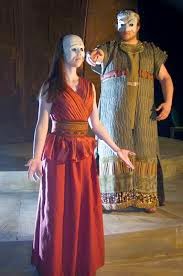 கிரேக்க நாட்டில் நாடகம் கி.மு 534 ஆம் ஆண்டளவில் தோற்றம் பெற்றது.கி.மு. பதின்மூன்றாம் நூற்றாண்டில் 'டயோனிசஸ்' வசந்தம் மற்றும் வளம் போன்றவற்றின் அடையாளமான கிரேக்க தெய்வத்தின் வழிபாடு நடைபெற்றது. பக்திப் பரவசத்தினால் பக்திப் பாடல்கள் பாடப்படும். இவ்வாடல்-பாடல்களிலிருந்தே நாடகம் பிறந்தது என கிரேக்க மேதையான அரிஸ்டாட்டில் குறிப்பிட்டுள்ளார்.
'டயோனிசஸ்' தெய்வத்திற்கு ஆண்டுக்கு மூன்று திருவிழாக்கள் நடைபெறும். டிசம்பர், ஜனவரி, மார்ச், மாதங்களில் கொண்டாடப்படும் இத்திருவிழாக்களில் மார்ச் திங்கள் நடைபெறும் திருவிழா 'குழு நடனங்களின் போட்டி' என்பதற்குப் பதிலாக, துயரக் காட்சிகளின் போட்டி' என மாற்றியமைக்கப்பட்டு நடைபெற்று வந்தது.
கிரேக்கத்தின் முதல் நாடக நடிகர் தெஸ்பிஸ் ஆவார்..
கிரேக்க நாடக அரங்குகள்
டயோனிசஸ்' தெய்வத் திருவிழாக் காலங்களில் அத்தெய்வத்தின் கோயில்களின் மேற்பகுதியில் கோட்டை போன்ற அமைப்பின் சரிவான பகுதிகள் நாடக அரங்குகளாகப் பயன்படுத்தப்பட்டது.
கிரேக்க நாட்டில் நாடகம் கி.மு 534 ஆம் ஆண்டளவில் தோற்றம் பெற்றது.கி.மு. பதின்மூன்றாம் நூற்றாண்டில் 'டயோனிசஸ்' வசந்தம் மற்றும் வளம் போன்றவற்றின் அடையாளமான கிரேக்க தெய்வத்தின் வழிபாடு நடைபெற்றது. பக்திப் பரவசத்தினால் பக்திப் பாடல்கள் பாடப்படும். இவ்வாடல்-பாடல்களிலிருந்தே நாடகம் பிறந்தது என கிரேக்க மேதையான அரிஸ்டாட்டில் குறிப்பிட்டுள்ளார்.
கி.மு. ஆறாம் நூற்றாண்டுக் காலப்பகுதியில் பார்வையாளர்கள் மலைச்சரிவுகளில் இருக்க அச்சரிவுகளின் அடிவாரத்தில் நாடக நடிகர்களின் அரங்கம் இருந்தது. காட்சிக்கான பின்னணி (திரைச்சீலை) அக்காலகட்டத்தில் இல்லையென்பதும் குறிப்பிடத்தக்கது.
காட்சி வீடு
கி.மு. ஜந்து - நான்காம் நூற்றாண்டு காலப்பகுதியில் நடனமாடும் இடம் என அழைக்கப்பெற்ற 'காட்சி வீடு' போன்ற அமைப்பிலான அரங்கம் பார்வையாளர்கள் அமருவதற்கு வசதியாக மலைகளில் கற்களால் கட்டப்பெற்றன.
'மன்னர் இடிஃபஸ்' என்ற நாடகம் அரங்கேற்றப்பட்ட வேளை இருபுறம் அமைந்த செவ்வக வடிவத்தினை உடைய கட்டிடம் பின்னணியாக அமைக்கப்பட்டது. இவ்வடிவமைப்பே பின்னாட்களில் அனைத்து நாடகங்களிலும் பயன்படுத்தப்பட்டது. ஒவ்வொரு ஆண்டும், ஒவ்வொரு நாடகத்திற்கேற்றாற்போல மாற்றி அமைக்கப்பட்டதெனவும் கருத்து நிலவுகின்றது.
திறந்த வெளி நாடகங்கள்
பெரும்பாலான கிரேக்க நாடகங்கள் திறந்த வெளியிலேயே நடந்தது. சோபகிள்ஸ்' என்பவர் படைத்த நாடகமொன்றில் மூன்று ஆண்கள் மட்டுமே பங்குபெற்று நடித்தனர். இவர்களில் சிலர் பெண் வேடமிட்டும் நடித்தனர்.கிரேக்க நாடகத்தின் வீழ்ச்சி
கி.மு. மூனறாம் நூற்றாண்டு காலப்பகுதியில் ரோமானியப் பேரரசன் மாவீரன் அலெக்ஸாண்டரின் படையெடுப்பிற்குப் பின்னர் கிரேக்க நாடகம் பெரு வீழ்ச்சியினை அடைந்தது. கி.மு. 200 ஆம் ஆண்டளவில் கிரேக்க நாடகம் முற்றிலுமாக மறைந்ததென்பது குறிப்பிடத்தக்கது.
Sunday, 29 June 2014
PRINCIPLES OF HUMAN COMMUNICATION
PRINCIPLES OF HUMAN COMMUNICATION
Several principles are essential to an
understanding of human communication in all its forms.
Communication is
Purposeful
We communicate for a purpose; some motivation
leads us to communicate. When we speak
or write, we are trying to send some
message and trying to accomplish some goal
five general purposes seem relatively common to
all forms of communication:
to learn: to acquire knowledge of others, the world, and
ourself
to relate: to form relationships with others,
to interact with others as individuals
to help: to assist others by listening, offering
solutions
to influence: to strengthen or change the attitudes or
behaviors of others
to Entertain: to enjoy the experience of the moment
Communication is Transactional
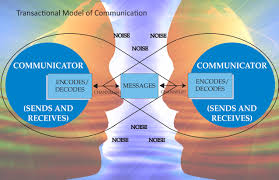
Communication is transactional, which means that
the elements in communication
(1) Always changing,: It’s an ongoing activity; all
the elements of communication are in a state of constant change. The people
with whom we are communicating are changing, and our environment is changing.
Nothing in communication ever remains static.
(2) Interdependent (each influences the other): Each element
relates integrally to every other element. For example, there can be no source
without a receiver.
(3) Depend on the individual : Communication is influenced by a
multitude of factors such as context, our history, past experiences, attitudes,
cultural beliefs, self-image, future expectations, emotions, and our
psychological climate.
(4)Each person in the communication act is both speaker and
listener : Each person is an interaction is both sender and receiver.
Communication is a Package
of Signals
Communication involve usually, verbal and
nonverbal behaviors. Our entire body works together— verbally and non verbally—to
express our thoughts and feelings. The
socially acceptable message is usually communicated verbally while the less
socially acceptable message is communicated non verbally.
Communication is a Process
of Adjustment
Communication can take place only to the extent
that the communicators use the same system of signals.You will only be able to
communicate with another person to the extent that our language systems overlap. In reality, however, no two persons use
identical signal systems, so a process of adjustment is relevant to all forms
of communication.

Ambiguous messages are messages with more than one potential
meaning. Sometimes this ambiguity
occurs because we use words that can be interpreted differently.
Communication is Punctuated

Communication events are continuous transactions.There’s no
clear-cut beginning or ending. We divide up this continuous,
circular process into causes and effects, or stimuli and responses.
Communication is Inevitable, Irreversible, and Unrepeatable
Communication is a process that is inevitable, irreversible, and
unrepeatable. Communication messages
are always being sent, and response, and it communicates.
Right To Freedom
Freedom is the basic characteristic of a
true democracy. Our Constitution guarantees to the citizens of India a set of
six freedoms described as the “Right to Freedom”.
The Constitution guarantees the following
six fundamental Freedoms:
(i) Freedom of speech and expression.
(ii) Freedom to assemble peacefully
without arms.
(iii) Freedom to form associations or
unions.
(iv) Freedom to move freely throughout the
territory of India
(v) Freedom to reside and settle in any
part of the territory of India.
(vi) Freedom to practice any profession or
to carry on any occupation, trade or business.
(I) Freedom of Speech And Expression
It is an important freedom. This freedom
ensures free and frank speech, discussion and exchange of opinions. It includes
the freedom of the press. However these freedom like freedom of speech and
expression are not absolute. The state is empowered to impose reasonable
restrictions on the exercise of this right in the interest of security of the
state, ethipublic order, morality etc.
freedom of speech and expression are not
absolute. The state is empowered to impose reasonable restrictions on the
exercise of this right in the interest of security of the state, public order,
morality etc.source




 Posts
Posts


